

Multiple Sclerosis: Are We Treating the Diagnosis or Understanding the Disease?
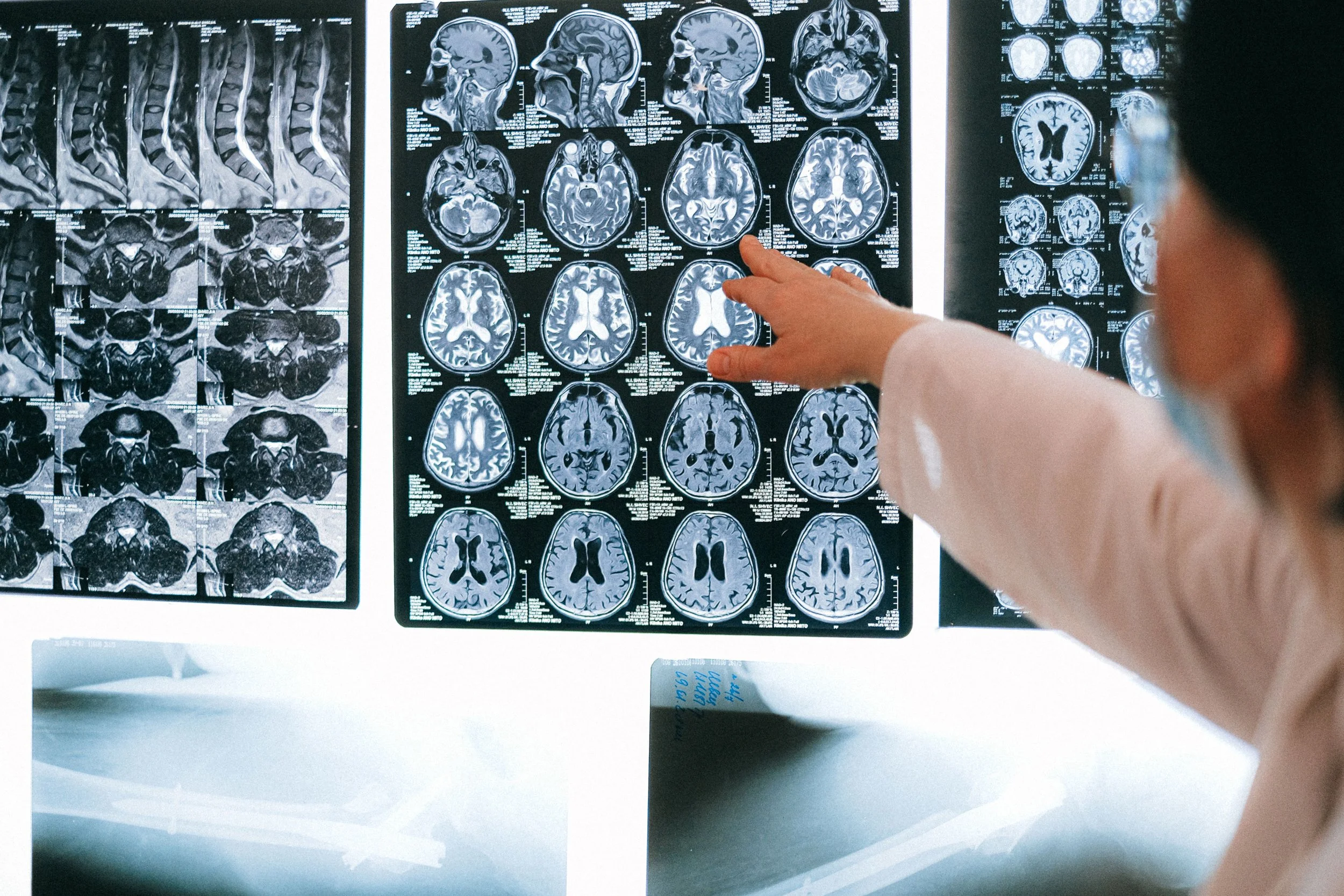
Exploring the rise in multiple sclerosis, the complexities of diagnosis, and what a naturopathic and holistic approach can offer in prevention, treatment and long-term wellbeing.
There is something deeply unsettling about watching the number of people living with a chronic neurological condition continue to rise, particularly when so many questions remain about why it develops in the first place.
Multiple sclerosis (MS) has recently returned to the headlines, with Australian reporting drawing attention to its increasing prevalence and the growing burden of neurological disease.
Then, just this week, another story emerged from the United States.
Actress Christina Applegate, who publicly disclosed an MS diagnosis in 2021 and has since spoken openly about her declining health, revealed that her doctors now believe she was misdiagnosed.
Five years later, she continues to experience debilitating symptoms, but the diagnosis she had come to understand as the explanation for her suffering has been taken away.
For me, these stories raise two different but equally important questions.
Why are more people living with MS? And what happens when a diagnosis becomes the endpoint of investigation rather than the beginning of understanding?
As a naturopath, I believe there is enormous value in exploring disease beyond its name. Not because conventional diagnosis and treatment are unimportant, but because identifying a condition and understanding everything contributing to an individual's experience are not necessarily the same thing.
MS is a particularly compelling example of why both approaches matter.
Why Are More Australians Living With MS?
According to the Australian Institute of Health and Welfare, approximately 37,800 Australians were living with MS in 2024, compared with around 21,300 in 2010.
That represents an increase of approximately 77% in the number of people living with the condition over 14 years.
The population prevalence rate has also increased, from approximately 96 to 140 people per 100,000.
These figures are significant, particularly for a condition that can affect mobility, cognition, independence, employment and quality of life.
But there is an important distinction between prevalence and incidence.
Prevalence refers to the total number of people living with a disease at a given time. Incidence refers to the number of new cases developing within a particular period.
An increase in prevalence does not automatically mean that the risk of developing MS has increased by the same amount.
Earlier diagnosis, improved recognition, changing diagnostic criteria and longer survival can all contribute to more people living with a condition.
This does not make the increase any less important. It simply means we need to understand what the figures are actually telling us.
MS is frequently diagnosed in early adulthood, often between the ages of 20 and 40, and affects women more commonly than men. For someone at the beginning of their career, considering parenthood or building an independent life, the consequences of a diagnosis can be profound.
What concerns me is not simply the number of diagnoses, but the possibility that our understanding of the environmental and biological factors contributing to neurological disease may still be incomplete.
And that deserves investigation, not speculation presented as certainty.
Understanding Multiple Sclerosis Beyond the Diagnosis
MS is a chronic immune-mediated disease affecting the central nervous system, which includes the brain, spinal cord and optic nerves.
In MS, inflammatory processes damage myelin, the protective material surrounding nerve fibres that helps electrical signals travel efficiently.
Imagine the insulation surrounding an electrical wire. When that insulation becomes damaged, the signal may slow, become disrupted or fail to reach its destination.
A similar process occurs in MS, although the disease is considerably more complex.
Inflammation can also damage the underlying nerve fibres themselves, contributing to neurological dysfunction and, in some people, progressive disability.
Depending on which areas of the nervous system are affected, symptoms may include:
Persistent fatigue and reduced exercise tolerance
Numbness, tingling or altered sensation
Muscle weakness, stiffness or spasms
Changes in vision
Balance and coordination difficulties
Bladder or bowel dysfunction
Cognitive changes, including difficulties with memory and concentration
Pain, mood changes and disrupted sleep
The experience of MS varies enormously.
Some people experience relapses followed by periods of partial or substantial recovery. Others develop a more gradual progression of disability.
There is no single presentation that describes everyone living with MS.
And importantly, there is no single test that can independently confirm every case.
Diagnosis involves a combination of clinical history, neurological examination, magnetic resonance imaging (MRI), and sometimes cerebrospinal fluid analysis and other investigations.
Clinicians must also consider alternative explanations for neurological symptoms and MRI abnormalities.
This brings me to a particularly important aspect of the recent headlines.
When the Diagnosis Is Wrong: Christina Applegate's Story

In October 2026, Christina Applegate revealed that her doctors had reconsidered the MS diagnosis she received five years earlier.
Despite continuing to experience substantial neurological difficulties, she now faces the uncertainty of not knowing what is causing them.
I cannot imagine how emotionally exhausting that must be.
A diagnosis can be frightening, but it can also provide a framework for understanding symptoms, making decisions and planning for the future.
To have that framework removed after years of illness must bring an entirely different kind of distress.
Her experience also highlights a recognised challenge in neurological medicine: diagnostic uncertainty.
Several conditions can resemble MS, including other inflammatory neurological diseases, certain nutritional deficiencies, infections, structural disorders and some autoimmune conditions.
This does not mean MS diagnoses are generally unreliable. It means that diagnostic criteria must be applied carefully, and that reassessment is sometimes necessary when the clinical picture changes or evidence does not fit.
For me, there is a broader lesson here.
Patients deserve to have their symptoms taken seriously, even when the cause remains uncertain.
They deserve clinicians who are willing to reconsider an earlier conclusion.
And they deserve care that continues to support their wellbeing while answers are being sought.
A diagnosis should guide care, not close the door on further questions.
What Actually Causes Multiple Sclerosis?
The precise sequence of events that leads someone to develop MS is not fully understood.
However, that does not mean we know nothing about its causes.
Research increasingly points toward an interaction between genetic susceptibility, immune function, environmental exposures and infectious triggers.
Epstein–Barr Virus: One of the Strongest Clues
One of the most significant developments in MS research concerns Epstein–Barr virus (EBV), the virus commonly associated with infectious mononucleosis, or glandular fever.
A major longitudinal study published in Science in 2022 examined blood samples collected from US military personnel over approximately two decades.
Researchers found that EBV infection was associated with a roughly 32-fold increase in the risk of subsequently developing MS.
Importantly, infection preceded the development of MS in the study.
This provides compelling evidence that EBV plays a major causal role in the disease.
However, EBV infection is extremely common, while MS remains comparatively uncommon.
Most people infected with EBV will never develop MS.
That tells us something important: even a major causal factor may not be sufficient on its own.
Other influences appear to determine why one person's immune system responds differently from another's.
Researchers continue to investigate mechanisms such as molecular mimicry, where immune responses to an infectious agent may also recognise components of the body's own tissues.
This is one reason MS is increasingly understood as a disease arising from multiple interacting influences rather than one isolated trigger.
Genetics and Individual Susceptibility
Certain genetic variations, particularly those involved in immune regulation, increase susceptibility to MS.
But MS is not usually inherited in a straightforward way.
Having a family member with MS increases risk, yet most people with a family history do not develop the disease.
Genes may influence susceptibility without determining destiny.
Vitamin D and Sunlight Exposure
Low vitamin D status has repeatedly been associated with increased MS risk.
Researchers have also observed geographic differences in MS prevalence, with higher rates generally reported in regions farther from the equator.
Vitamin D is involved in immune regulation, making this relationship biologically plausible.
However, an association between vitamin D status and MS does not automatically mean that supplementation prevents the disease or alters its progression.
The distinction matters.
Correcting a deficiency may be appropriate for general health, but vitamin D should not be presented as a proven cure or stand-alone disease-modifying treatment.
Smoking and Adolescent Obesity
Smoking is an established modifiable risk factor for MS and is also associated with less favourable outcomes after diagnosis.
Higher body weight during adolescence has likewise been associated with increased susceptibility.
These findings suggest that metabolic health, inflammatory processes and environmental exposures may contribute to the conditions in which MS develops.
They also remind us that prevention is not necessarily about identifying one culprit.
It may involve addressing several interacting risks over time.
The Gut–Brain–Immune Connection
One of the areas I find particularly interesting from a naturopathic perspective is the relationship between the gastrointestinal microbiome, immune regulation and the nervous system.
The gut is home to an extraordinary community of microorganisms involved in digestion, metabolism and immune signalling.
These microorganisms produce metabolites, including short-chain fatty acids, that can influence immune activity.
The relationship is bidirectional.
The nervous system influences gastrointestinal function, while the gut microbiome can influence inflammatory and immune pathways that communicate with the brain.
In MS research, differences in microbial composition have been observed between some people living with MS and healthy comparison groups.
Certain microbial species and metabolic pathways are being investigated for their potential roles in immune regulation and neuroinflammation.
This is fascinating research.
But it is also important not to overinterpret it.
We do not yet know whether many of these microbial differences contribute to MS, result from the disease, reflect medication use or arise from other lifestyle and environmental influences.
Nor do we have sufficient evidence that a particular probiotic, microbiome test or gut-healing protocol can prevent MS relapses or halt disease progression.
Nevertheless, the gut remains relevant to whole-person care.
Supporting gastrointestinal function, adequate nutrition, bowel regularity and dietary diversity can improve wellbeing, particularly for people experiencing digestive symptoms or nutritional difficulties.
And as research develops, the microbiome may become an increasingly important part of understanding how neurological and immune health intersect.
Can Multiple Sclerosis Be Prevented?
At present, there is no guaranteed way to prevent MS.
But that does not mean prevention research has nothing to offer.
The most useful approach is to focus on risk factors supported by evidence while recognising that some influences, such as genetic susceptibility and past EBV infection, cannot simply be changed.
From a preventative healthcare perspective, several priorities stand out.
Avoiding smoking is one of the clearest modifiable steps.
Supporting healthy metabolic development, particularly during childhood and adolescence, may also be relevant.
Maintaining adequate vitamin D status is reasonable, especially for individuals at risk of deficiency, although supplementation has not been established as a reliable MS prevention strategy.
Regular physical activity, balanced nutrition and adequate sleep support cardiovascular, metabolic and general immune health, even where their direct effects on MS incidence remain uncertain.
And importantly, prevention must be approached without blame.
People do not develop MS because they failed to eat the right foods, manage stress perfectly or take enough supplements.
Many people who develop MS have lived healthy lives.
Preventative healthcare is about understanding and reducing modifiable risks where possible, not assigning responsibility for illness.
A Naturopathic Approach to MS: Supporting the Whole Person
When someone receives an MS diagnosis, much of the initial conversation understandably centres on disease activity, MRI findings, treatment options and prognosis.
These are essential considerations.
But the person receiving that diagnosis is also navigating everyday life.
They may be exhausted, frightened, struggling with sleep, experiencing digestive changes or finding that activities once taken for granted have become difficult.
This is where I believe holistic healthcare can make a meaningful contribution.
Not by promising to reverse neurological damage or replace specialist treatment, but by considering the broader physiological, nutritional and emotional factors influencing someone's health.
The goal is to support function, resilience, symptom management and quality of life while respecting the complexity of the disease.
1. Nutrition: Is There an Ideal Diet for MS?
Nutrition is one of the most frequently discussed areas of complementary MS care.
Several dietary approaches have attracted attention, including the Mediterranean diet, Swank diet, Wahls Protocol, ketogenic diets and fasting-based interventions.
Some are based on plausible mechanisms involving inflammation, mitochondrial function or metabolic regulation.
Others have been popularised through personal experiences and testimonials.
But biological plausibility and personal testimony are not the same as evidence that a diet changes the course of MS.
Current Australian and New Zealand consensus recommendations conclude that there is insufficient evidence to recommend one specific dietary intervention for MS.
That said, dietary quality still matters.
A Mediterranean-style eating pattern offers a practical foundation for supporting general health.
This includes:
A variety of vegetables, fruits, legumes and whole grains
Extra virgin olive oil as a primary culinary fat
Nuts and seeds
Fish and other appropriate protein sources
Adequate fibre and hydration
Fewer highly processed foods and less excessive saturated fat
Such a pattern can support cardiovascular health, metabolic function and dietary adequacy.
It may also help address common concerns such as constipation, energy fluctuations and poor overall nutritional intake.
However, we should be careful not to describe the Mediterranean diet as a proven means of preventing MS relapses.
For individuals with swallowing difficulties, significant fatigue, gastrointestinal symptoms or mobility limitations, dietary advice may need to be adapted with a dietitian and the wider healthcare team.
The most useful diet is not necessarily the most restrictive. It is one that is nutritionally adequate, sustainable and appropriate for the individual.
2. Nutritional Medicine: Addressing Deficiencies Without Overpromising
Nutritional assessment can be valuable in MS care, particularly when symptoms such as fatigue, weakness, altered sensation or cognitive difficulties overlap with manifestations of nutritional deficiency.
But supplementation should be guided by clinical need rather than the assumption that higher doses will produce greater benefits.
Vitamin D
Vitamin D has a well-established relationship with immune function and is strongly implicated in MS susceptibility.
Testing and correcting deficiency may be appropriate.
However, high-dose vitamin D supplementation has not consistently demonstrated meaningful benefits for established MS, and excessive intake can cause toxicity, including hypercalcaemia and kidney injury.
Vitamin B12
Vitamin B12 is essential for neurological function and myelin maintenance.
Deficiency can cause neurological symptoms that sometimes resemble aspects of MS.
Identifying and treating B12 deficiency is therefore important, particularly when dietary intake, gastrointestinal absorption or other risk factors warrant investigation.
But B12 supplementation does not treat MS itself unless an underlying deficiency is contributing to symptoms.
Omega-3 fatty acids
Omega-3 fatty acids have recognised roles in cell membranes and inflammatory signalling.
Oily fish can form part of a balanced diet, but clinical evidence does not currently establish omega-3 supplementation as an effective treatment for reducing MS relapses or disability progression.
Magnesium
Magnesium supports normal neuromuscular function and numerous metabolic processes.
It may be worth assessing dietary intake or deficiency risk in appropriate circumstances.
However, magnesium supplementation is not an established treatment for MS-related spasticity or disease progression.
Alpha-lipoic acid
Alpha-lipoic acid is an antioxidant that has attracted research interest in progressive MS.
A small clinical trial suggested a possible effect on brain-volume loss, but this has not established a meaningful clinical benefit or justified its routine use as an MS treatment.
For me, the important principle is simple:
Correct what is deficient, support what is physiologically necessary, and avoid assuming that more supplementation automatically means better outcomes.
3. Herbal Medicine: Promise, Possibility and Precaution
Herbal medicine offers an interesting area of investigation because many plants contain compounds that influence inflammatory signalling, oxidative stress and other biological processes.
However, MS is a complex immune-mediated condition, and effects observed in laboratory experiments do not necessarily translate into meaningful clinical outcomes.
A few commonly discussed botanicals illustrate both the possibilities and limitations.
Turmeric (Curcuma longa)
Curcumin, a constituent of turmeric, has been investigated for its anti-inflammatory and antioxidant properties.
Preclinical studies have explored mechanisms potentially relevant to neuroinflammation.
However, evidence remains insufficient to establish curcumin supplementation as an effective treatment for MS.
Concentrated extracts also have safety considerations, including interactions and rare reports of liver injury.
Boswellia (Boswellia serrata)
Boswellia contains compounds studied for their effects on inflammatory pathways.
Although this makes it scientifically interesting, robust clinical evidence supporting its use to control MS disease activity is lacking.
Green tea (Camellia sinensis)
Green tea catechins, particularly epigallocatechin gallate (EGCG), have been investigated for antioxidant and neuroprotective effects.
But concentrated green tea extracts are not equivalent to drinking green tea, and high-dose extracts can cause liver injury.
They should not be assumed to be safe simply because they originate from a familiar plant.
Ashwagandha (Withania somnifera)
Ashwagandha is sometimes promoted for stress resilience and nervous system support.
However, there is no convincing clinical evidence that it treats MS.
It also has potential adverse effects and interactions, including concerns relating to thyroid function, liver injury and immune-modulating medicines.
This last point is especially relevant.
Some MS treatments deliberately alter immune activity. Combining them with herbal products promoted as immune stimulants or immune modulators requires careful consideration.
Natural does not automatically mean harmless, and an anti-inflammatory mechanism does not automatically make a substance suitable for someone with MS.
I believe medicinal plants deserve rigorous research, but that also means acknowledging where evidence is limited.
4. Exercise and Rehabilitation: One of the Strongest Lifestyle Interventions
If there is one area of holistic MS management that deserves considerably more attention, it is movement.
Exercise was once approached cautiously in MS because of concerns about fatigue and symptom aggravation.
Today, evidence supports appropriately adapted physical activity as an important part of care.
Regular exercise can improve:
Muscle strength and physical function
Cardiovascular fitness
Balance and mobility
Fatigue
Mood and quality of life
Australian and New Zealand consensus recommendations encourage a minimum of approximately 2.5 hours of suitable physical activity per week, incorporating aerobic and resistance exercise where possible.
However, this is not a rigid target for everyone.
Some people require shorter sessions, modified movements, seated exercises or specialist rehabilitation.
Heat sensitivity is also common in MS, and exercise plans may need to account for temperature, cooling strategies and symptom fluctuations.
Physiotherapists, occupational therapists and exercise physiologists experienced in neurological conditions can help tailor activity safely.
For someone with significant disability, movement might look very different from conventional exercise.
But it can still be meaningful.
5. Sleep, Stress and the Nervous System
Living with MS can place a considerable burden on the nervous system, physically and emotionally.
Fatigue is among the most common and disabling symptoms.
Yet fatigue is not always caused by MS disease activity alone.
Poor sleep, medication effects, depression, sleep apnoea, pain, iron deficiency and other conditions may contribute.
This is why comprehensive assessment matters.
From a holistic perspective, supporting consistent sleep routines, addressing sleep disorders, managing pain and reducing unnecessary physiological stress can be valuable.
Mindfulness, meditation, breathing practices, counselling and other stress-management approaches may help some people cope with the emotional and psychological burden of chronic illness.
But I want to be particularly careful with how we discuss stress.
Stress does not mean someone caused their own MS.
Nor should people be told that positive thinking, emotional healing or nervous system regulation can cure an inflammatory neurological disease.
These approaches may support wellbeing, coping and quality of life.
That is valuable in its own right.
6. Gut Health and Symptom Management
Gastrointestinal symptoms can have a significant impact on daily life for people living with MS.
Constipation, altered bowel function and bladder difficulties may arise from neurological changes, medication effects, reduced mobility or other factors.
Management should begin by identifying the likely contributors.
Appropriate strategies may include adequate hydration, individualised fibre intake, regular meals, physical activity where possible and treatment of underlying bowel or bladder dysfunction.
Probiotics and fermented foods are often discussed in naturopathic care, but evidence is currently insufficient to recommend a specific probiotic as an MS disease-modifying treatment.
People receiving immunosuppressive therapies should also discuss probiotic supplements with their treating team, particularly if they have additional infection risks.
The objective is not to pursue an indiscriminate “gut reset.”
It is to improve gastrointestinal function, nutritional adequacy and comfort using interventions appropriate to the person.
Integrative Treatment: Conventional Medicine and Naturopathy Are Not Opposing Forces
One concern I have with discussions about natural medicine is the tendency to frame healthcare as a choice between two opposing systems.
Either conventional medicine or natural medicine.
Either pharmaceutical treatment or lifestyle intervention.
But for someone living with MS, that division can be unhelpful and potentially harmful.
Disease-modifying therapies (DMTs) have substantially changed the management of relapsing forms of MS.
Depending on the treatment and the individual, these medicines can reduce relapse frequency, inflammatory activity visible on MRI and the accumulation of disability.
They are not cures, and they carry different risks that require informed discussion and monitoring.
But their demonstrated benefits should not be dismissed.
At the same time, a DMT does not automatically address every aspect of someone's wellbeing.
It may not resolve fatigue, poor sleep, nutritional deficiencies, muscle deconditioning, bowel dysfunction or the psychological effects of chronic illness.
This is where an integrative model makes sense.
A neurologist may oversee diagnosis, disease activity and disease-modifying treatment.
A physiotherapist may support strength, balance and mobility.
A psychologist may assist with adjustment, anxiety or depression.
A dietitian may address complex nutritional requirements.
And a naturopath, working within their scope and collaboratively with the treating team, may contribute through nutritional assessment, lifestyle support, symptom-focused care and careful evaluation of complementary treatments.
The critical principle is communication.
Herbs and supplements can interact with medicines, and some may be inappropriate alongside immune-modifying therapies.
Complementary treatment should never delay neurological assessment or replace effective disease-modifying therapy without a fully informed discussion of the consequences.
The goal should not be to defend a particular healthcare philosophy. It should be to provide the best possible care for the person in front of us.
The Questions We Still Need to Ask
My perspective on healthcare changed considerably during and after the COVID-19 pandemic.
As a naturopath, I have become increasingly interested in how we investigate emerging health patterns, interpret safety data and respond to symptoms that do not fit neatly within an established diagnosis.
Some of these questions are also informed by experiences and patterns I encounter in clinical practice.
But clinical observations, however compelling, cannot independently establish the cause of a disease or demonstrate that a particular exposure is responsible for a broader population trend.
That distinction is important to me.
It is possible to question existing explanations while remaining committed to scientific evidence.
It is possible to advocate for more transparent investigation without assuming that every unanswered question points to the same cause.
And it is possible to recognise the value of conventional treatments while also asking whether patients' broader health needs are being adequately addressed.
In the context of MS, this means continuing to investigate infectious, environmental, genetic, metabolic and immune-related influences.
It also means distinguishing associations from causation and evaluating new hypotheses through appropriately designed research.
For example, COVID-19 infection and vaccination have both been subjects of neurological safety research. Rare neurological adverse events can occur following infections or medical interventions, and these deserve careful surveillance. However, current evidence does not establish COVID-19 vaccination as the explanation for the long-term increase in Australian MS prevalence.
Indeed, that increase was documented well before the pandemic.
If we want to understand what is changing in population health, we need to ask questions that can be tested, rather than begin with a conclusion and search for evidence to support it.
I believe this is particularly important in an era when medical information is more accessible than ever, but interpreting it responsibly has become increasingly challenging.
Beyond the Diagnosis: Remembering the Person
What stays with me most about Christina Applegate's story is not simply that a diagnosis may have been incorrect.
It is the experience of someone continuing to suffer while the explanation for that suffering remains uncertain.
For many people with chronic illness, receiving a diagnosis is only one part of the journey.
There is still the daily experience of living in a body that feels unfamiliar.
There is still the frustration of unexplained symptoms, changing abilities and unanswered questions.
And there is still the need to feel heard, supported and involved in decisions about one's own health.
As a naturopath, I believe we should remain curious about the biological processes contributing to disease, including those we do not yet fully understand.
But curiosity must be accompanied by humility.
We should be willing to investigate possible root causes without claiming certainty where none exists.
We should be willing to acknowledge the limitations of conventional healthcare without overlooking its achievements.
And we should be equally willing to examine the limitations of naturopathic interventions, particularly when patients are facing serious neurological disease.
Because understanding the whole person means recognising both the possibilities and the boundaries of our knowledge.
Final Thoughts
Multiple sclerosis reminds us that health is rarely explained by a single factor.
It involves the complex interplay of genetics, immunity, environment, infection and individual physiology.
And while the scientific understanding of MS has advanced considerably, there is still much to learn.
I believe there is an important place for naturopathic and holistic healthcare in supporting people living with MS, particularly through nutrition, physical activity, symptom management, preventative health and the broader foundations of wellbeing.
But I also believe that supporting the whole person means recognising when specialised medical treatment offers benefits that complementary therapies cannot currently replicate.
We do not have to choose between asking deeper questions and acting on the best evidence available today.
We can do both.
Perhaps the most important question is not whether we are treating the diagnosis or understanding the disease.
It is whether we are doing enough of both, while remembering the person behind it all.
Sevim xx
References
Australian Institute of Health and Welfare — Multiple sclerosis in Australia (2026)
MS Australia — Prevalence of MS and its Health Economic Impact in Australia (2025)
Environmental risk factors for multiple sclerosis — Systematic review and meta-analysis (2025)
NCCIH — Multiple Sclerosis and Complementary Health Approaches: What the Science Says (2025)
ABC News Australia — Christina Applegate says she was misdiagnosed with MS (21 October 2026)
Associated Press — Christina Applegate reveals MS misdiagnosis (October 2026)
