

Diabetes: What’s Really Happening?

Diabetes is one of the most widely discussed health conditions in modern medicine, yet it remains deeply misunderstood.
In many conversations, it is reduced to a simple problem of "high blood sugar," but diabetes is far more complex than that.
From a root cause perspective, diabetes is not merely a disease of sugar. It is a disorder of communication.
A breakdown in the intricate signalling pathways that govern energy production, hormonal regulation, metabolism, and cellular function.
To truly understand diabetes, we must first understand how the body normally regulates energy.
Because when we understand the why, we can begin to support the body in a far more meaningful and precise way.
Glucose: Essential, Not the Enemy
Let's begin with one of the biggest misconceptions surrounding diabetes:
Glucose itself is not the enemy.
Glucose is an essential source of energy for the body and one of our primary fuels.
Your brain, nervous system, muscles, and organs all rely on a continuous supply of energy, and glucose plays a central role in meeting those demands.
The problem in diabetes isn't the existence of glucose — it's the loss of the body's ability to regulate it effectively.
This is why the body has evolved remarkably sophisticated systems to ensure blood glucose remains within a tightly regulated range.
Even if you consumed no carbohydrates whatsoever, your body would still produce glucose.
Because survival depends on it.
How Carbohydrates Become Glucose
Carbohydrates are not inherently problematic.
However, understanding how carbohydrates are digested and metabolised is fundamental to understanding diabetes.
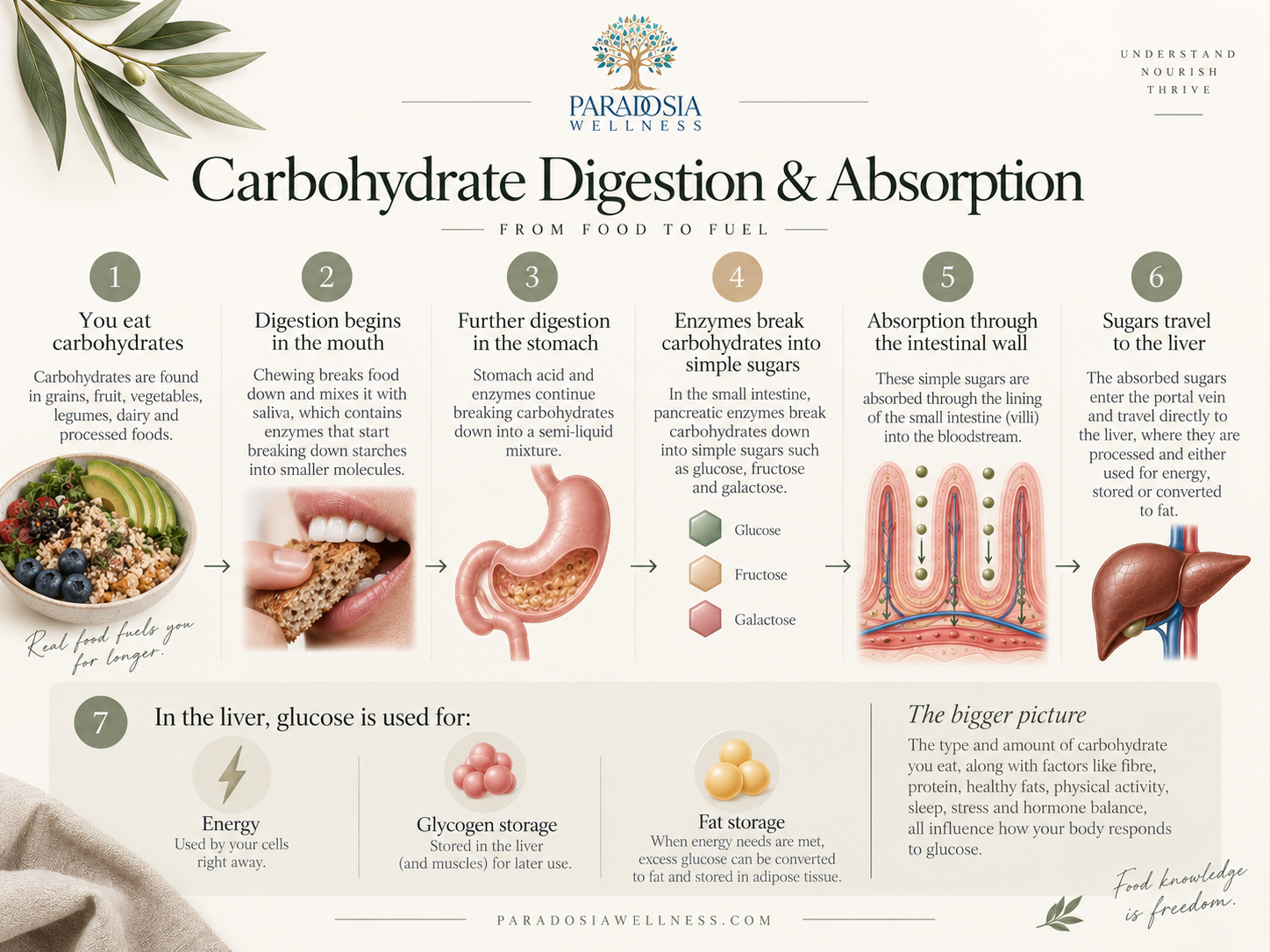
Digestion begins in the mouth, where the enzyme salivary amylase starts breaking down starches.
Further digestion occurs in the small intestine through pancreatic enzymes and brush border enzymes, eventually producing simple sugars known as monosaccharides.
These include:
Glucose
Fructose
Galactose
These sugars are absorbed through the intestinal wall and enter the portal circulation, which carries them first to the liver.
From there, glucose can enter the bloodstream and be used by cells for energy, stored as glycogen in the liver and muscles, or, when energy availability consistently exceeds demand, contribute to fat synthesis and storage.
Once glucose enters circulation, another key player takes over.
Insulin.
Insulin: The Master Metabolic Hormone
Insulin is produced by specialised beta cells within the pancreas.
Many people think of insulin simply as a blood sugar-lowering hormone.
In reality, insulin is one of the body's master metabolic regulators.
It influences:
glucose uptake
glycogen storage
fat storage
protein synthesis
inflammation
cellular growth and repair
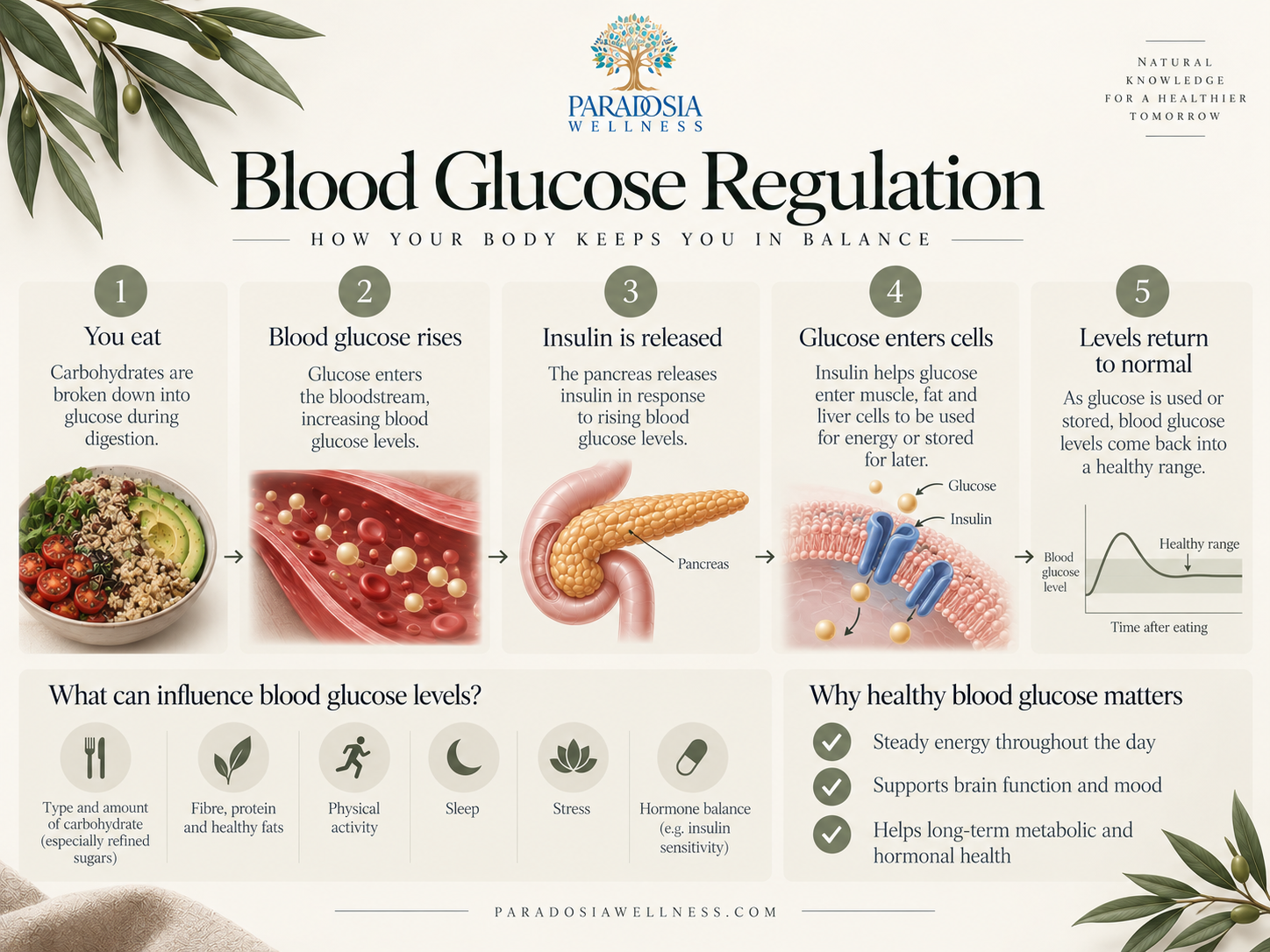
When blood glucose rises after a meal, the pancreas releases insulin.
Insulin then acts as a signalling molecule, informing tissues that energy is available.
In skeletal muscle and adipose tissue, insulin stimulates specialised GLUT4 transporters to move to the cell membrane, increasing glucose uptake into these tissues. Glucose can then be used to generate ATP, the body's energy currency, or stored for later use.
Blood Glucose Regulation: A Delicate Dance
Blood glucose regulation is a dynamic, multi-organ process involving:
the pancreas
liver
muscles
adipose tissue
gastrointestinal tract
nervous system
endocrine system
At the same time, hormones such as:
glucagon
cortisol
adrenaline
growth hormone
prevent blood glucose from falling too low.
Health depends upon balance.
Not All Diabetes Is the Same
The term diabetes actually describes several different conditions, each with its own underlying mechanisms, risk factors, diagnostic criteria, and medical management strategies.
Understanding these differences is essential for both prevention and appropriate care.
Type 1 Diabetes
Type 1 Diabetes is an autoimmune condition in which the immune system mistakenly attacks and destroys the insulin-producing beta cells of the pancreas.
How it develops
This process is thought to be triggered by a combination of genetic susceptibility and environmental factors, such as viral infections or immune dysregulation. Over time, the destruction of beta cells leads to an absolute deficiency of insulin.
Without insulin, glucose cannot enter cells effectively, resulting in dangerously elevated blood glucose levels.
Who it affects
Type 1 Diabetes most commonly develops in children, adolescents, and young adults, although it can occur at any age. It is not related to diet, weight, or lifestyle choices.
How it is diagnosed
Diagnosis is typically made through:
Elevated blood glucose levels
Presence of autoantibodies (such as GAD antibodies)
Low or absent C-peptide levels (indicating reduced insulin production)
Symptoms often develop rapidly and may include:
excessive thirst
frequent urination
unexplained weight loss
fatigue
blurred vision
If untreated, it can progress to diabetic ketoacidosis (DKA), a life-threatening condition.
How it is medically managed
Type 1 Diabetes requires lifelong insulin therapy.
Management typically includes:
multiple daily insulin injections or insulin pump therapy
continuous glucose monitoring (CGM)
carbohydrate counting to match insulin dosing
regular blood glucose monitoring
Medical care focuses on maintaining stable blood glucose levels and preventing both acute complications (like hypoglycaemia and DKA) and long-term complications.
Type 2 Diabetes
Type 2 Diabetes is the most common form of diabetes and develops through a combination of insulin resistance and progressive pancreatic dysfunction.
How it develops
Initially, cells become less responsive to insulin, a state known as insulin resistance.
In response, the pancreas produces more insulin to compensate.
Over time, this compensatory mechanism becomes insufficient, and blood glucose levels begin to rise.
Eventually, the pancreas may lose its ability to produce adequate insulin.
Who it affects
Type 2 Diabetes is more common in adults, but it is increasingly being diagnosed in younger populations.
Risk factors include:
genetic predisposition
excess body fat, particularly visceral fat
sedentary lifestyle
poor dietary patterns
chronic stress
sleep disruption
However, it is important to recognise that not all individuals with Type 2 Diabetes are overweight, and not all overweight individuals develop diabetes.
How it is diagnosed
Diagnosis is typically based on:
Fasting Blood Glucose (≥ 7.0 mmol/L)
HbA1c (≥ 6.5%)
Random blood glucose levels in symptomatic individuals
Prediabetes may be identified earlier through mildly elevated glucose or HbA1c levels.
How it is medically managed
Management of Type 2 Diabetes is individualised and generally combines nutrition, physical activity and other lifestyle interventions with medication when appropriate.
The choice of medication depends on factors such as blood glucose levels, cardiovascular and kidney health, body composition and weight goals, risk of hypoglycaemia, other health conditions, and individual preferences.
Common medical treatments include:
Metformin — commonly used to improve glucose regulation and insulin sensitivity
GLP-1 receptor agonists — improve glucose regulation and can support appetite and weight management
SGLT2 inhibitors — increase glucose excretion through the urine and may provide cardiovascular and kidney benefits in appropriate patients
Sulfonylureas — stimulate insulin secretion
Insulin therapy — used when clinically indicated
Treatment may change over time as metabolic health, glucose control and individual needs evolve.
Gestational Diabetes
Gestational Diabetes occurs during pregnancy and is characterised by elevated blood glucose levels that develop for the first time during this period.
How it develops
During pregnancy, placental hormones naturally increase insulin resistance to ensure adequate glucose supply to the developing baby.
In some women, the pancreas cannot produce enough insulin to overcome this resistance, leading to elevated blood glucose levels.
Who it affects
Gestational Diabetes can affect any pregnant woman, but risk factors include:
previous gestational diabetes
family history of diabetes
higher body weight
advanced maternal age
certain ethnic backgrounds
How it is diagnosed
Screening typically occurs between 24–28 weeks of pregnancy using an Oral Glucose Tolerance Test (OGTT).
Diagnostic thresholds vary slightly between countries, but elevated glucose levels at fasting, 1-hour, or 2-hour intervals confirm the diagnosis.
How it is medically managed
Management focuses on maintaining stable blood glucose levels to protect both mother and baby.
This may include:
dietary modifications
regular physical activity
blood glucose monitoring
If lifestyle measures are insufficient, medical treatment may include:
insulin therapy (most commonly used)
in some cases, oral medications such as metformin
Gestational Diabetes usually resolves after birth, but it significantly increases the risk of developing Type 2 Diabetes later in life.
Insulin Resistance: The Hidden Beginning
Type 2 Diabetes rarely develops overnight.
It usually begins years, or even decades earlier.
The earliest stage is known as insulin resistance.
In insulin resistance, cells become less responsive to insulin's signal.
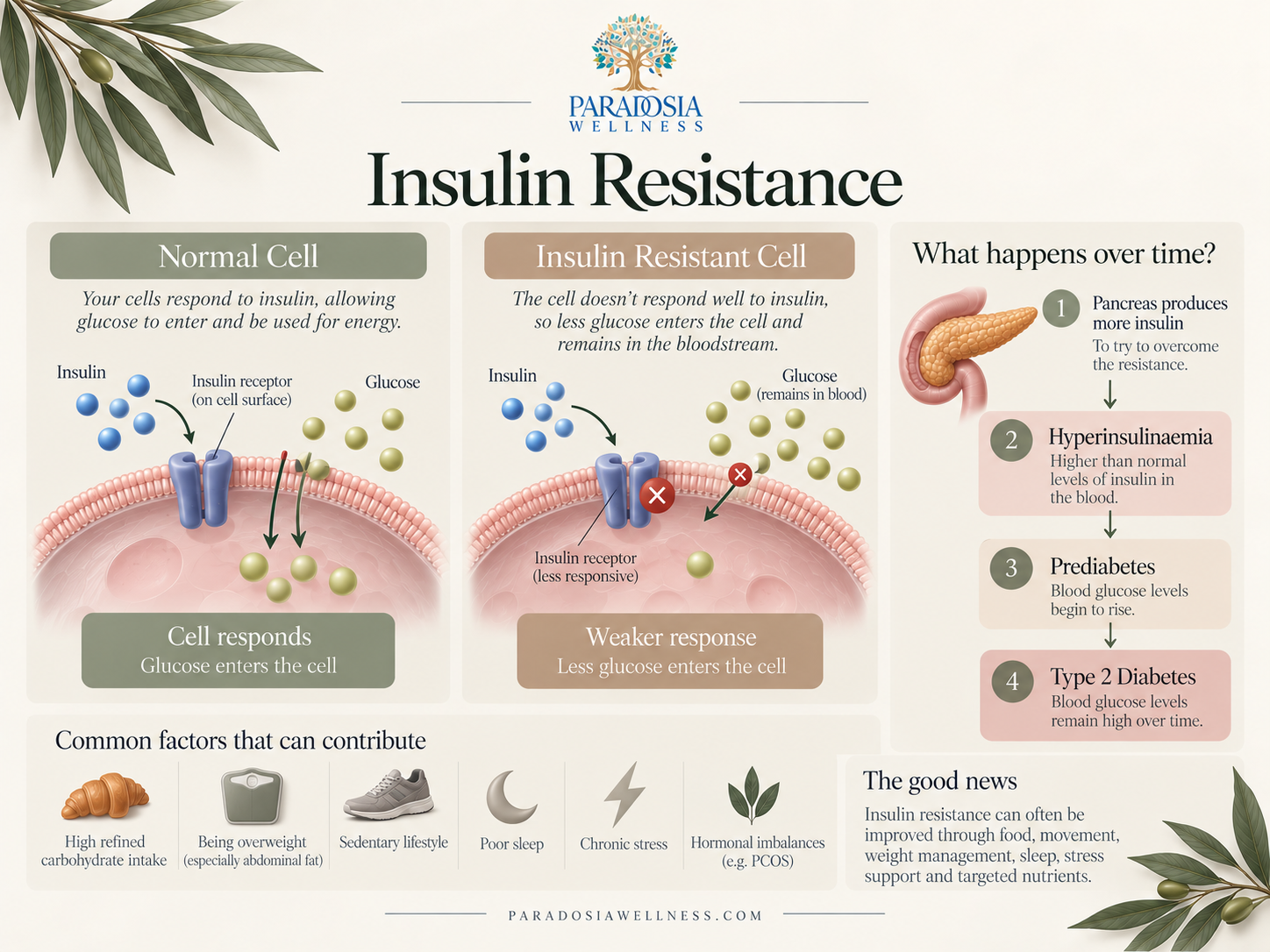
Initially, the pancreas may compensate for reduced insulin sensitivity by producing more insulin.
As a result, blood glucose can remain within the normal range for some time despite increasing metabolic strain.
This compensatory increase in insulin, known as hyperinsulinaemia, can occur before blood glucose rises into the prediabetes or diabetes range.
The Hidden Phase: Hyperinsulinaemia
This compensatory phase can persist silently for years.
During this time, blood glucose may still appear relatively normal because the pancreas is producing additional insulin to compensate for reduced insulin sensitivity.
Insulin resistance may be accompanied by metabolic changes such as increased visceral fat, elevated triglycerides and other features of metabolic syndrome, although these findings vary considerably between individuals.
As insulin resistance progresses and the pancreatic beta cells can no longer fully compensate, blood glucose may begin to rise, eventually progressing to prediabetes or Type 2 Diabetes in susceptible individuals.
Why Does Insulin Resistance Develop?
There is no single cause.
Rather, insulin resistance develops through the interaction of many factors, including:
genetics
excess visceral fat accumulation
chronic overnutrition
highly processed diets
poor sleep
circadian disruption
chronic stress
sedentary behaviour
inflammation
environmental exposures
smoking
ageing
Genetics can influence susceptibility, but they do not act in isolation.
Metabolic health develops through a complex interaction between our genetics, ageing, body composition, physical activity, sleep, diet, medications, stress, and the wider environment.
This is important because while we cannot change our genetics, many of the factors influencing metabolic health are modifiable.
When Food Labels Mislead
One of the biggest misconceptions in diabetes management is the belief that foods labelled "diabetic friendly" are automatically beneficial.
Unfortunately, food marketing does not always reflect physiology.
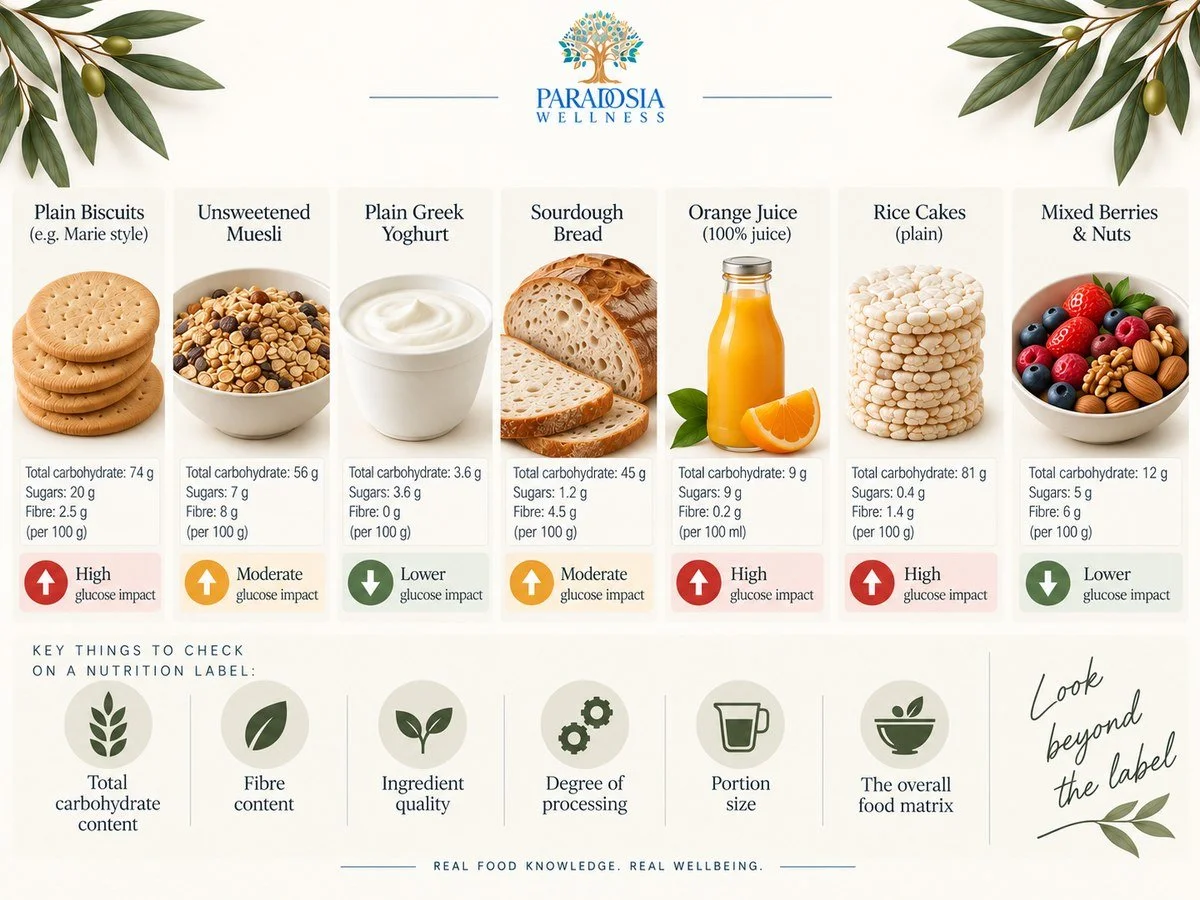
A food may contain relatively little sugar while still producing a significant blood glucose response because sugars are only one component of total carbohydrate. Many digestible starches are also broken down into glucose during digestion.
This is why understanding nutrition labels is so important.
Rather than focusing solely on sugar, consider:
total carbohydrate content
fibre content
ingredient quality
degree of processing
portion size
the overall food matrix
Education is empowerment.
Restoring Metabolic Health
The encouraging news is that Type 2 Diabetes exists on a spectrum.
In its early stages, significant improvements and, in some cases, remission may be possible.
Lifestyle interventions remain foundational.
Strategies shown to improve insulin sensitivity include:
resistance training
regular physical activity
prioritising sleep
improving circadian rhythm
increasing dietary fibre
managing chronic stress
reducing visceral fat
Skeletal muscle plays a major role in glucose disposal, which is one reason movement is so powerful for metabolic health.
Muscle contraction can increase glucose uptake through pathways that are not entirely dependent on insulin, while regular physical activity and resistance training can improve insulin sensitivity over time.
Even brief bouts of movement after meals can help reduce post-meal glucose excursions, a simple reminder that supporting metabolic health doesn't always require dramatic change.
Is There One Best Diet for Diabetes?
I get asked this all the time — “So what do I eat?” “What diet should I follow?” “Is there one best diet for diabetes?”
And the answer is: No, there is no universal diabetes diet.
Some individuals respond exceptionally well to lower-carbohydrate or ketogenic approaches, while others thrive on Mediterranean-style dietary patterns rich in legumes, vegetables, olive oil, fish, and minimally processed foods.
The best dietary pattern is one that is:
evidence-based
sustainable
nutritionally adequate
culturally appropriate
individualised
And no two people respond identically to food. This is why personalised nutrition matters, especially in the management of diabetes and insulin resistance.
Herbal & Nutritional Support
Certain nutrients have important roles in glucose metabolism, insulin signalling, energy production and broader metabolic health. Depending on dietary intake, nutritional status and individual clinical needs, nutrients that may be considered include:
Magnesium — involved in glucose metabolism and insulin signalling
Chromium — involved in normal macronutrient metabolism and insulin action, although evidence for supplementation in diabetes remains mixed
Zinc — involved in insulin synthesis, storage and secretion, as well as antioxidant defence
Myo-Inositol & D-Chiro Inositol — involved in insulin signalling pathways and have been investigated particularly in insulin resistance and gestational metabolic health
CoQ10 — supports mitochondrial energy production and antioxidant defence
Omega-3 fatty acids — support cardiovascular health and triglyceride metabolism
Nutritional supplementation should be individualised according to dietary intake, medications, clinical presentation and, where appropriate, identified insufficiencies or deficiencies.
Therapeutic Herbs
Several medicinal plants and plant-derived compounds have been investigated for their potential effects on glucose metabolism and insulin sensitivity, including:
Berberine-containing herbs
Fenugreek (Trigonella foenum-graecum)
Cinnamon (Cinnamomum spp.)
Gymnema (Gymnema sylvestre)
The strength of evidence, preparations and therapeutic doses vary considerably, and herbal medicines can interact with glucose-lowering medications.
These interventions do not replace medical treatment, but when appropriately selected and prescribed, they may form part of a broader, individualised approach to metabolic health.
Sev's Final Thoughts
Diabetes is not simply a disease of sugar. It reflects a disruption in the complex systems that regulate how energy is produced, stored and used.
Insulin resistance doesn't appear out of nowhere. It develops through the interaction of genetics, metabolism, body composition, lifestyle, environment and time.
And that matters, because understanding the physiology gives us more places to intervene.
The goal isn't to fear glucose, carbohydrates or insulin. It's to improve insulin sensitivity, support metabolic flexibility, nourish the body appropriately, and create an environment in which those regulatory systems can function more effectively.
When we understand this, our approach shifts.
From restriction → to nourishment.
From confusion → to understanding.
From passive treatment → to active participation.
The body is always communicating.
The question is: can we learn to listen?
Sevim xx
